Here is a book list for those interested in planting churches and serving God through community-based work.
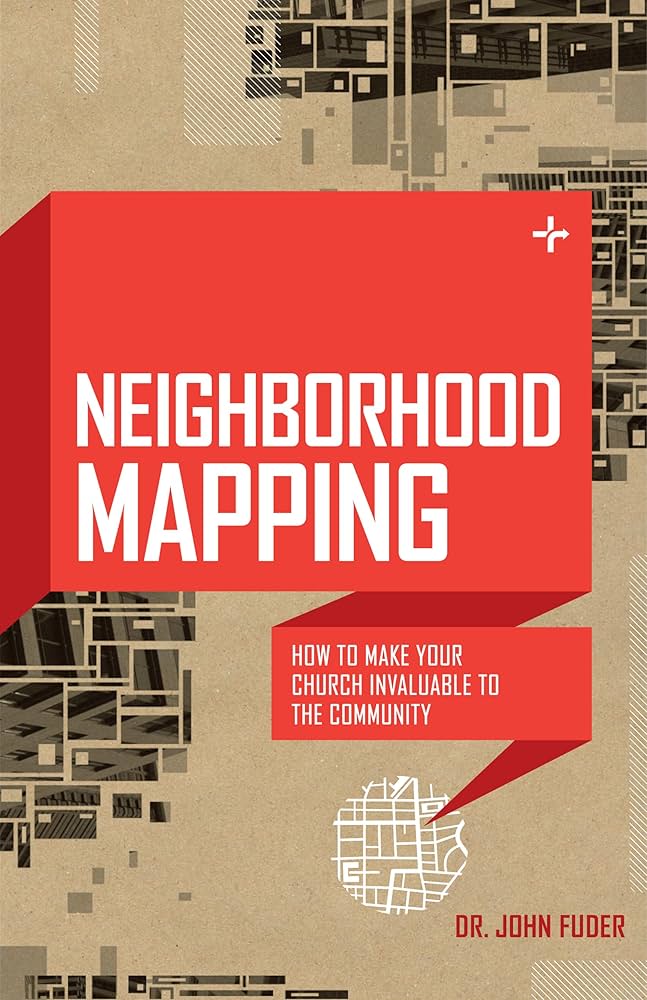
If your church relocated, would your neighbors notice? Would there be an outcry for you to stay?
Whether you are a church planter, pastor, community activist, missionary, college ministry leader, or simply a Christ-follower looking to impact your community, this resource is for you.
Neighborhood Mapping by Dr. John Fuder is an engaging, practical tool available to assist workers in the field to better understand the communities they are involved with. It awakens the neighborhood explorer with effective methodology for “exegeting” their neighborhood, offering surveys and samples to lead them in that process.
Dr. Fuder calls believers to shift the focus from inside the church building to those who live in the community. He offers here an easy-to-use resource for those who care about ministry to “the least of these.”
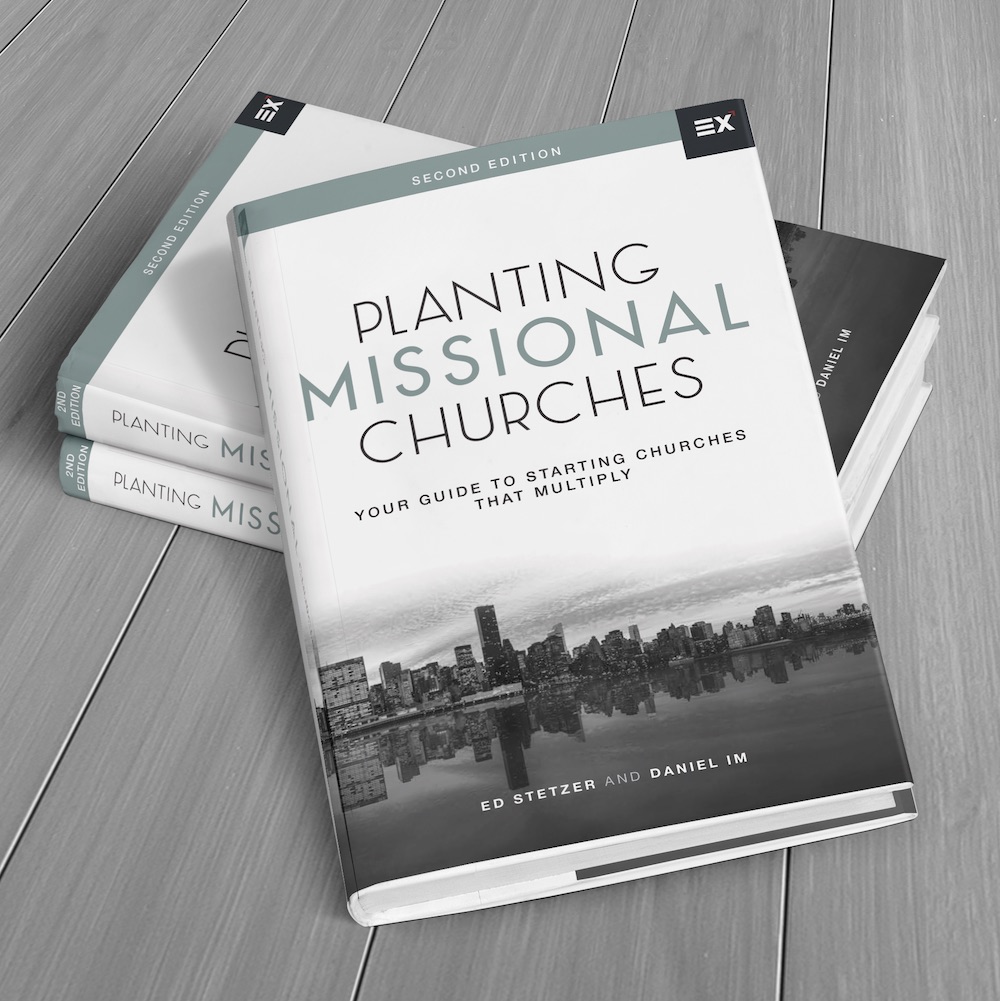
Planting a church is one of the most exciting adventures you’ll ever embark on. It’s also one of the hardest. It requires initiative, leadership, strategy, systems, and a lot of prayer. In this second edition of Planting Missional Churches, not only will you find a completely redesigned book with new content in every single chapter, but you will also find several new chapters on topics such as church multiplication, residencies, multi-ethnic ministry, multisite, denominations and networks, and spiritual leadership. So if you’re planting a church, be prepared. Use this book as a guide to build the needed ministry areas so that you can multiply over and over again. For additional resources visit www.newchurches.com/PMC.
Less
Much of the New Testament was written in urban settings, in which the Christian communities had to deal head-on with issues such as race, equality, justice, sexuality, money, and economics. But much of today’s apologetics (engagement with the questions that people are asking about Christianity) come from suburban churches and academic studies. Urban believers-those who live and minister in America’s inner cities-often face unique issues, not often addressed by the larger Christian community.
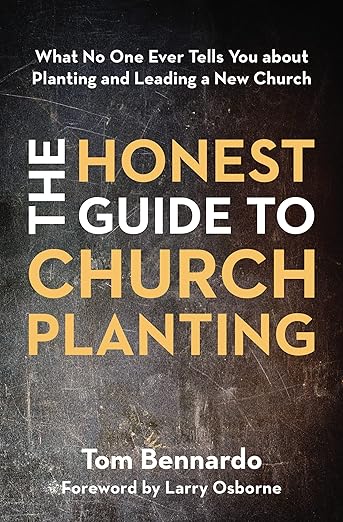
hiChurch planting has become a cottage industry. National conferences, hip planting organizations, and all-in-one resource kits celebrate the thrill of pioneering a church and inspire visions of glorious victories. Yet few who respond to the call are warned what they’ll actually encounter: the relentless opposition they’ll endure; the eventual scattering of their entire core group; the failure of their tried-and-true, field-tested system.
Here’s the dirty little secret of church planting: the roadside is strewn with casualties. Many have closed their churches. Some left ministry permanently. Others abandoned the faith altogether.
Church planting is at once the greatest and most grueling ministry work on earth. This book is for those toiling in the trenches, those about to bail out, and those considering jumping in. It’s for the church planters laboring and struggling, seeing little movement, and wondering what they’re doing wrong or why God is failing them. It’s also for mother churches, planting organizations, and denominations, as a challenge to rethink and re-calibrate the way they approach and measure planting endeavors.
The Honest Guide to Church Planting is a fresh and candid conversation about the challenges and joys of planting new churches. Tom Bennardo speaks the truth so that those involved in church planting can embrace a more accurate and realistic picture of what planting a church is really like; one that not only enables them to survive, but to thrive in this wondrous work.
With so many injustices, small and great, across the world and right at our doorstep, what are people of faith to do? Since the 1930s, organizing movements for social justice in the U.S. have largely been built on assumptions that are secular origin―such as reliance on self-interest and having a common enemy as a motivator for change. But what if Christians were to shape their organizing around the implications of the truth that God is real and Jesus is risen?Alexia Salvatierra has developed a model of social action that is rooted in the values and convictions born of faith. Together with theologian Peter Heltzel, this model of “faith-rooted organizing” offers a path to meaningful social change that takes seriously the command to love God and to love our neighbor as ourself.ct category
 Dominiquebeaumonte.com