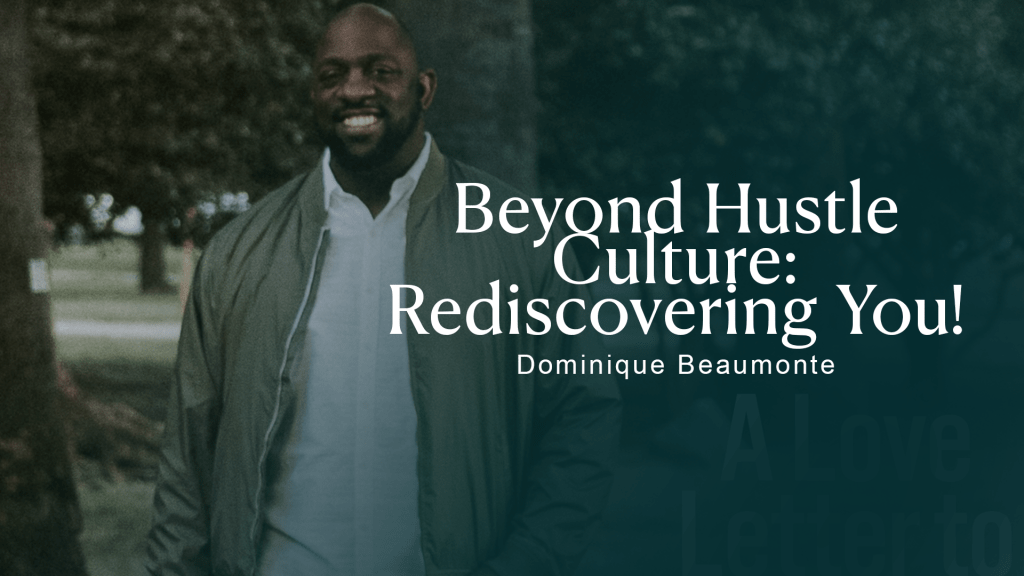
We live in a world where work often consumes more than just our time; it shapes our identities. The hustle culture tells us that our worth is defined by our productivity, but is that really the life we’re meant to live?
A 2007 study by Andrew Naber found that the average person will spend 90,000 hours at work throughout their lives. That’s nearly a third of a lifetime dedicated to a job—time spent in a role that may not even align with one’s passions or true calling. Think about it: What if you could spend more of your life doing things that truly matter to you, instead of just earning a paycheck? How different would your day-to-day look if your identity wasn’t tied up in your job title?
The Dangers of Over-Identification with Work
The danger of tying our self-worth to our professional identity is that we often neglect the other parts of ourselves. Retirement, career changes, or layoffs can leave people struggling to find meaning beyond what they do. Suddenly, a significant portion of your identity is gone. Many have faced this existential crisis after leaving a career, feeling lost, aimless, and unsure of who they are without the work that once defined them.
Balance means cultivating a life that acknowledges and prioritizes your multifaceted identity—not just who you are in your career but also who you are as a friend, a family member, a hobbyist, or even a spiritual seeker.
You Are More Than What You Do
We often overlook an uncomfortable truth: our need to make money can become a trap that prevents us from pursuing things that matter most. Yes, paying the bills is a reality, but your life is also about your relationships, health, passions, and sense of purpose. So, if you could change your life today to balance the things that matter more, what would you do? What steps would you take? Would you travel more, spend time with loved ones, or perhaps finally start that project you’ve always dreamed of?
The question is, what’s stopping you?
Getting Started with Balance: Practical Steps
Finding balance doesn’t require an overnight overhaul of your life; it begins with small, intentional changes. Here are some resources and steps to help you on your journey:
- Assess Your Current Balance
- Take a moment to honestly evaluate how you spend your time. Tools like the Wheel of Life exercise can help you visualize which areas of your life are flourishing and which need more attention.
- Apps like RescueTime or Moment can track your digital habits and help you understand where your time goes.
- Set Boundaries with Work
- Establish a clear line between work time and personal time. Start with small steps, such as leaving work at the same time every day or not checking emails after hours.
- Consider reading “Essentialism: The Disciplined Pursuit of Less” by Greg McKeown, which offers strategies for prioritizing what truly matters.
- Invest Time in Hobbies and Passions
- What hobbies or interests did you love as a child? Reintroduce those into your life. Engaging in creative outlets can improve mental health and provide a sense of accomplishment outside of work.
- Join local clubs or groups that share your interests—whether it’s sports, book clubs, or crafting communities. Websites like Meetup or Eventbrite can connect you with local events and groups.
- Cultivate Your Relationships
- Take time to reconnect with friends and family. Deepening your relationships will remind you that there’s a support system beyond your professional life.
- Books like “The Five Love Languages” by Gary Chapman can help you better understand the people you care about and how to nurture those connections.
- Prioritize Mental and Physical Health
- Regular exercise and a balanced diet can profoundly impact your energy and mood. Consider incorporating yoga or meditation to help reduce stress. Apps like Headspace and Calm are great for beginners.
- If anxiety or burnout is a concern, therapy can be a vital tool. Platforms such as BetterHelp or Talkspace offer flexible counseling options.
- Create a Personal Mission Statement
- Write a statement that outlines your core values and life goals beyond work. Ask yourself, “What legacy do I want to leave behind?” Let that guide your daily decisions.
- Read Stephen Covey’s “The 7 Habits of Highly Effective People,” which discusses how to align your life with your values and principles.
Final Thoughts
Finding balance is not about abandoning your career; it’s about rediscovering the person you are beyond your job title. It’s about making space for joy, fulfillment, and meaning in all areas of life. If you can start with even one small change, you’ll find that balance becomes less of an aspiration and more of a reality.
Remember: You are more than the need to make money. Your life is worth the effort to find balance. So, if you could make a change right now, what would it be? What’s stopping you?
Additional Resources
- “The Power of Full Engagement” by Jim Loehr and Tony Schwartz
- “Daring Greatly” by Brené Brown
- Websites like Mindful and Tiny Buddha for daily mindfulness practices
- Podcasts like The Happiness Lab or Optimal Living Daily for more on finding fulfillment and balance
Finding balance is a journey, but it’s one that starts with a single step. What will yours be?
 Dominiquebeaumonte.com